

Introduction: Why 2026 Is a Great Time to Start Affiliate Marketing
If you have ever dreamed of making money online while working from anywhere in the world, affiliate marketing is one of the simplest and most beginner-friendly ways to start. You don’t need to create your own product, handle customer support, or manage shipping. You simply recommend products or services you believe in, and you earn a commission every time someone buys through your link.
The affiliate marketing industry keeps growing every year, and 2026 is no exception. The market continues to expand at a strong pace, driven by more people shopping online, more brands launching affiliate programs, and creators finding new ways to reach audiences across blogs, YouTube, and social media. In fact, analysts project the affiliate industry will keep growing at a compound annual growth rate of roughly 10% over the next few years, which means there has never been a better moment to get in.
But here’s the truth: affiliate marketing in 2026 doesn’t look the same as it did five years ago. The strategies that worked before — like stuffing keywords into low-quality articles — no longer work. Today, success depends on authenticity, real value, mobile-first content, short-form video, and building genuine trust with your audience.
This guide will walk you through everything a complete beginner needs to know, step by step, in simple language. By the end, you’ll have a clear roadmap to start your own affiliate marketing journey — the right way.
What Is Affiliate Marketing? (Simple Explanation)
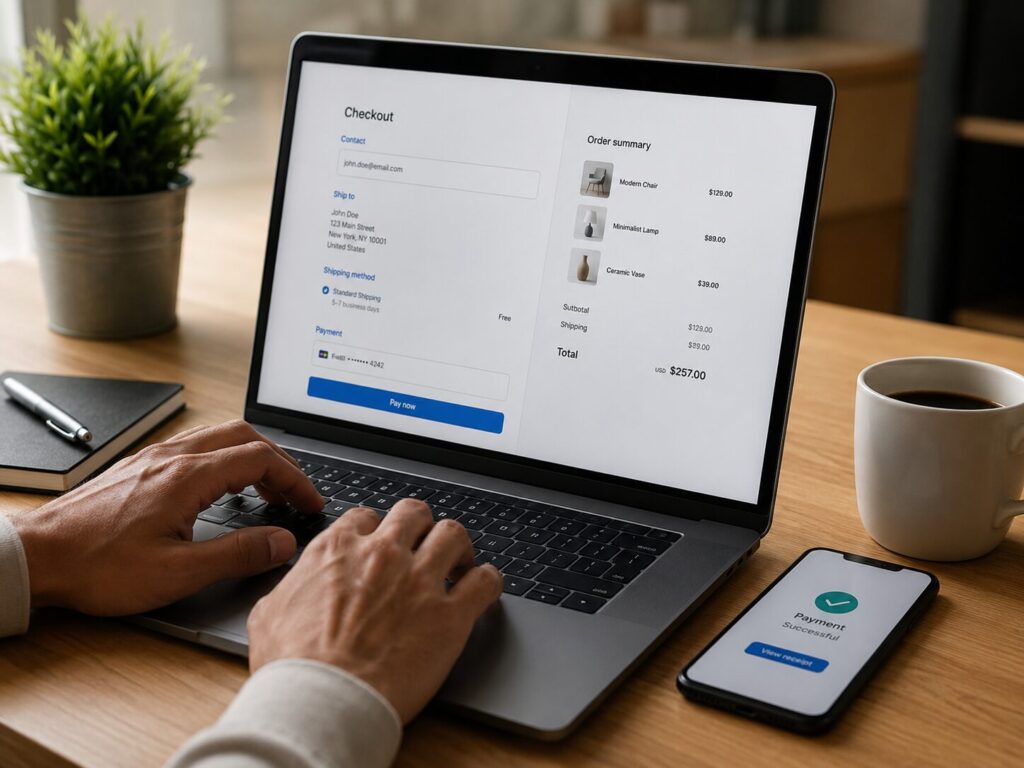
Affiliate marketing is a type of performance-based marketing where you promote another company’s product or service using a unique tracking link. When someone clicks your link and makes a purchase (or sometimes just signs up or takes an action), you earn a commission.
Think of it like being a digital salesperson. Instead of owning inventory or a store, you connect people who need a product with the company that sells it — and you get paid for making that connection happen.
There are four main parties involved:
- The Merchant (Advertiser) – The company that owns the product or service (like Amazon, a software company, or a clothing brand).
- The Affiliate (You) – The person who promotes the product through content like blogs, videos, or social posts.
- The Consumer – The person who clicks your link and buys the product.
- The Affiliate Network – A platform that tracks clicks, sales, and payments (examples include Amazon Associates, ShareASale, CJ Affiliate, and Impact).
Why Affiliate Marketing Is Perfect for Beginners
Affiliate marketing remains one of the lowest-risk online business models for a few simple reasons:
- Low startup cost – You don’t need to create a product or hold inventory.
- No customer service headaches – The merchant handles returns, shipping, and support.
- Flexible and scalable – You can start part-time and grow it into a full income source.
- Works across many platforms – Blogs, YouTube, Instagram, TikTok, email, and even podcasts.
- Passive income potential – Once content is published, it can keep earning for months or years.
Of course, like any business, it takes consistent effort, patience, and the right strategy to see real results. There are no guarantees of income, and success varies depending on effort, niche, and market conditions — but for those willing to learn and stay consistent, it remains a genuinely rewarding path.
Step 1: Choose the Right Niche
Your niche is the specific topic or industry you’ll focus on. Picking the right one is the foundation of your entire affiliate business.
How to choose a profitable niche:
- Pick something you’re genuinely interested in. You’ll be creating content about this topic for months or years, so passion matters.
- Check if it has buying intent. Some niches (like finance, tech gadgets, health, and home improvement) naturally have more products people are willing to purchase.
- Look for a balance between competition and demand. Extremely broad niches (like “fitness”) are hard to rank for. Narrower niches (like “home workout equipment for small apartments”) are easier to grow in.
- Make sure affiliate programs exist. Search your niche + “affiliate program” to confirm there are products to promote.

Popular beginner-friendly niches in 2026:
- Personal finance and budgeting apps
- Health, wellness, and fitness gear
- Tech gadgets and software (SaaS tools)
- Home and kitchen products
- Pet care
- Sustainable and eco-friendly products
- Online education and courses
- Travel gear and travel booking
Step 2: Pick Your Content Platform
You don’t need to be everywhere at once. Choose one primary platform to start, master it, and then expand later.
Blog / Website
A blog is still one of the most powerful long-term affiliate marketing assets because it builds SEO traffic that keeps working for you around the clock. Blogs are ideal for in-depth reviews, comparison articles, and how-to guides.
YouTube
Video content continues to dominate in 2026. Product reviews, unboxings, and tutorials perform extremely well, and YouTube’s search engine sends consistent long-term traffic.

Short-Form Video (TikTok, Instagram Reels, YouTube Shorts)
Short-form content is one of the fastest-growing trends in affiliate marketing right now. Quick, authentic videos showing a product in action can drive impressive engagement and conversions, especially with social commerce features like in-app shopping.
Email Marketing
Building an email list gives you a direct, owned channel to your audience — something that isn’t affected by algorithm changes. Many successful affiliates combine a blog or YouTube channel with an email newsletter for maximum results.
Beginner tip: Start with a blog or YouTube channel as your foundation, then repurpose that content into short-form videos and emails.
Step 3: Join Affiliate Programs and Networks
Once you’ve picked your niche and platform, it’s time to join affiliate programs. Here are some trustworthy, beginner-friendly options:
- Amazon Associates – Great for beginners because of Amazon’s massive product catalog and trusted brand.
- ShareASale – A large network with thousands of merchants across many niches.
- CJ Affiliate (Commission Junction) – Offers well-known brands with reliable tracking.
- Impact – Used by many SaaS and tech companies.
- ClickBank – Popular for digital products and online courses, often with higher commission rates.
- Individual brand affiliate programs – Many companies run their own in-house programs (check the footer of their website for an “Affiliate” or “Partners” link).
Example of how an affiliate link looks once you’re approved:
[ Paste Your Affiliate Link Here ]
Always read each program’s terms carefully — including cookie duration (how long you get credit for a sale after someone clicks your link) and payout thresholds.
Step 4: Create High-Value, Trustworthy Content
This is the step that separates successful affiliates from those who give up. Your content must genuinely help people, not just push products.
Content types that convert well:
- Product reviews – Honest, detailed reviews that cover pros, cons, and real use cases.
- Comparison posts – “Product A vs Product B” articles help readers make decisions.
- Best-of lists – “10 Best Budgeting Apps in 2026” style posts attract high buying-intent traffic.
- How-to guides – Tutorials that naturally include product recommendations.
- Case studies – Sharing your own results builds trust and credibility.
Rules for writing content that builds trust:
- Always disclose that you may earn a commission (this is legally required in most countries and also required by Google AdSense policies).
- Never make exaggerated or false income/results claims.
- Only recommend products you have genuinely researched or used.
- Focus on solving the reader’s problem first — the affiliate link should feel like a natural next step, not a forced sale.
Example affiliate disclosure you can add to your posts:
Disclosure: This post may contain affiliate links. If you click through and make a purchase, I may earn a small commission at no extra cost to you. I only recommend products I genuinely believe add value.
Step 5: Master On-Page SEO to Get Free Traffic
SEO (Search Engine Optimization) remains one of the most valuable long-term traffic sources for affiliate marketers, even as social platforms grow. Here’s how to do it right as a beginner:
Keyword Research
Use free or affordable tools like Google Keyword Planner, Ubersuggest, or AnswerThePublic to find what your audience is actually searching for. Focus on long-tail keywords (specific phrases like “best budget laptop for students 2026”) rather than broad, highly competitive terms.

On-Page SEO Checklist:
- Use your target keyword in the title, first paragraph, and at least one subheading.
- Write clear, descriptive meta titles and descriptions.
- Use short paragraphs and simple language (aim for a 6th–8th grade reading level).
- Add internal links to your other related articles.
- Optimize images with descriptive file names and alt text.
- Make sure your site loads fast and works well on mobile devices — most search traffic in 2026 comes from mobile.
- Structure content with clear H2 and H3 headings so both readers and search engines can easily scan it.
E-E-A-T: The SEO Factor You Can’t Ignore
Google continues to prioritize content that demonstrates Experience, Expertise, Authoritativeness, and Trustworthiness (E-E-A-T). This means sharing real experience, citing credible sources, and being transparent about who you are and why readers should trust your recommendations.
Step 6: Drive Traffic to Your Content
Creating content is only half the job — you also need eyes on it. Here are proven traffic strategies for 2026:
- SEO (Organic Search) – Slow to build but delivers consistent, long-term traffic.
- Pinterest – Still an underrated traffic driver for niches like home, food, fashion, and finance.
- Short-form video – Repurpose your blog or YouTube content into 30–60 second clips for TikTok, Reels, and Shorts.
- Email marketing – Send your list new content and helpful recommendations regularly.
- Community engagement – Answer questions on forums, Reddit, and Facebook groups (without spamming links) to build authority and drive curious readers back to your content.
Step 7: Track, Optimize, and Scale
Once your content starts getting traffic and clicks, it’s time to analyze what’s working.
- Use Google Analytics to track which pages get the most traffic.
- Use your affiliate dashboard to see which links are converting best.
- Test different call-to-action placements (top of the article, middle, and end).
- Update older content regularly — refreshing outdated statistics, prices, and screenshots keeps your content relevant and ranking well.
- Double down on the content formats and niches that perform best, and phase out what isn’t working.
Common Mistakes Beginners Should Avoid
- Promoting too many products at once – Focus on quality recommendations over quantity.
- Ignoring disclosure requirements – Always disclose affiliate relationships clearly.
- Choosing a niche based only on commission size – Passion and audience trust matter more long-term.
- Expecting overnight results – Affiliate marketing is a long-term strategy; most successful affiliates say it took months of consistent effort before seeing meaningful income.
- Neglecting mobile users – With most traffic now coming from mobile devices, a slow or hard-to-read mobile site will hurt both rankings and conversions.
- Copying content instead of creating original value – Duplicate or thin content performs poorly in search and can violate platform policies.
Affiliate Marketing and AdSense: What Beginners Should Know
If you plan to monetize your website with both affiliate links and display ads (like Google AdSense), keep these best practices in mind to stay compliant:
- Provide genuinely useful, original content — not thin pages built only around ads and links.
- Clearly disclose affiliate relationships to readers.
- Avoid misleading claims, fake urgency, or exaggerated income promises.
- Don’t place excessive ads or links that disrupt the reading experience.
- Follow your region’s data privacy and consent requirements when using tracking or analytics tools.
Building your site around helping real people solve real problems is the safest and most sustainable long-term strategy — for search rankings, ad policies, and reader trust alike.
Sample Affiliate Link Placement (For Reference)
Below is an example of how you might naturally place an affiliate link inside a blog post once you’re approved by a program:
“After testing several budgeting apps this year, this one stood out for its simplicity and free plan: [ Paste Your Affiliate Link Here ]. It’s a great starting point if you’re new to tracking your expenses.”
“If you’re looking for reliable hosting to start your affiliate blog, this is the option many beginners choose: [ Paste Your Affiliate Link Here ].”
Simply replace the bracketed text with your actual approved affiliate links once you join a program.
Realistic Expectations: How Long Does It Take to Earn?
There is no fixed timeline, and results vary widely based on niche, effort, content quality, and traffic strategy. Many affiliates report that it takes anywhere from 3 to 12 months of consistent content creation before seeing steady income, and even longer to build a substantial income stream. Some see results faster, others take longer — there are no guarantees. Treat affiliate marketing as a long-term skill-building project rather than a get-rich-quick scheme, and you’ll set yourself up for sustainable success.

Final Thoughts: Your 2026 Affiliate Marketing Action Plan
Here’s a simple recap to get you started this week:
- Choose a niche you’re genuinely interested in and that has buying intent.
- Pick one primary content platform (blog, YouTube, or short-form video).
- Join 2–3 beginner-friendly affiliate programs in your niche.
- Create your first piece of honest, helpful content with a clear affiliate disclosure.
- Optimize it for SEO using the checklist above.
- Share it across at least one additional traffic channel.
- Track your results monthly and improve based on real data.
Affiliate marketing in 2026 rewards those who focus on authenticity, real value, and consistency — not shortcuts. Start small, stay patient, keep learning, and treat it like the long-term business it truly is. The tools, platforms, and audience are all there — the only thing left is to take the first step.
Disclosure: This article may contain affiliate links. If you click through and make a purchase, we may earn a commission at no extra cost to you. All opinions and recommendations are based on genuine research and experience.